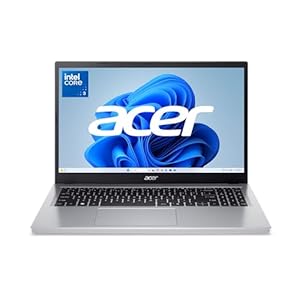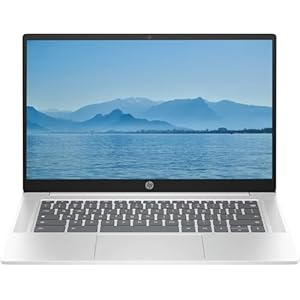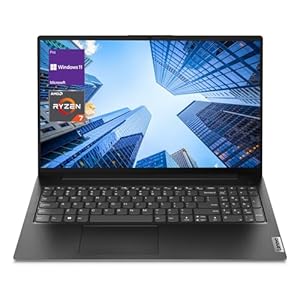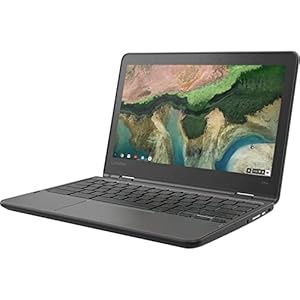

When I started looking for the best laptops for students, I quickly realized the “best” one isn’t the most expensive or the most powerful it’s the one that actually keeps up with your workload without weighing you down. After going through a few different laptops during my own studies, I’ve landed on the exact features I now check every time. Here’s what I’ve learned actually matters when picking the best laptops for students in 2026.
Performance and Speed: What I Prioritize First
Whenever I’m comparing the best laptops for students, performance is always where I start. I look for a solid processor an Intel Core i5 or i7 has handled everything I’ve thrown at it, from a dozen research tabs open at once to editing long documents and building presentations. I also make sure I’m getting at least 8GB of RAM, since anything less and I noticed real lag switching between apps during busy study sessions.
An SSD instead of a traditional hard drive made the biggest difference for me personally. My boot-up times dropped dramatically, and file transfers that used to take minutes now take seconds which matters a lot when you’re rushing to print an assignment five minutes before class.
If your coursework leans into design, video editing, or you game in your downtime like I do, a dedicated graphics card (NVIDIA GeForce GTX or RTX series) is worth prioritizing too. Getting performance right upfront saved me from the frustration of a sluggish laptop mid-semester.
Portability and Battery Life: What Actually Gets Used Daily
Out of everything I now look for in the best laptops for students, portability might be the one I underestimated the most before my first purchase. Carrying a heavy laptop between classes and the library got old fast, so I switched to a lighter, slimmer model that fits easily into my backpack without adding noticeable weight.
Battery life is the other non-negotiable for me. I look for a minimum of 8-10 hours, since a full day of back-to-back classes and study sessions with no outlet in sight is common. Once I made this a priority, I stopped carrying my charger everywhere out of anxiety that I’d run out of power mid-lecture.
Display Quality and Resolution: Why It Matters More Than I Expected
I didn’t think much about display quality until I spent a semester squinting at charts and dense reading material on a low-res screen. Now, when I’m evaluating the best laptops for students, I make sure the display is at least Full HD (1920 x 1080) — 4K is a nice bonus, but not essential for most coursework.
I also learned to check for an IPS panel over a TN panel. The difference in color accuracy and viewing angles is noticeable, especially when I’m sharing my screen with a study group or working from an angle in a crowded library. A touchscreen has been a nice extra for me too, particularly for annotating PDFs or sketching out notes by hand.
Features and Connectivity I Look For
Beyond the core specs, a few smaller features have made a real difference in my day-to-day experience with the best laptops for students I’ve owned.
Multiple USB ports (including USB-C) and an HDMI port have saved me more than once, whether I’m connecting a mouse, an external drive, or plugging into a projector for a group presentation. Built-in Bluetooth means I can connect my wireless headphones and printer without hunting for a cable.
A reliable webcam and microphone became essential the moment online classes and group calls became a regular part of my routine. I also didn’t expect to rely on a backlit keyboard as much as I do late-night study sessions in a dim dorm room made me appreciate it fast.
Wi-Fi 6 has kept my connection stable even in crowded lecture halls where dozens of devices are competing for bandwidth, which matters more than people realize until they’re the one with the spinning loading wheel during a video call.
My Take on the Best Laptops for Students in 2026
After weighing all of this against my own experience, the best laptops for students in 2026 come down to a balance: strong enough performance to never slow you down, light enough to carry all day, a display that doesn’t strain your eyes, and the connectivity features that quietly make daily use easier. Getting these right the first time saved me from wishing I’d bought something different halfway through the semester.
Frequently Asked Questions
What specs should I look for in the best laptops for students?
An Intel Core i5 or i7 processor, at least 8GB of RAM, and an SSD are the baseline. These three alone make the biggest difference in daily performance.
How much battery life do I need for a student laptop?
Aim for at least 8-10 hours so you can get through a full day of classes without needing to recharge.
Is a touchscreen worth it for students?
It’s not essential, but it’s genuinely useful for annotating documents, taking handwritten notes, or navigating apps more intuitively.
Do students need a dedicated graphics card?
Only if you’re doing design work, video editing, or gaming. For most coursework, integrated graphics are enough.
Trending Products